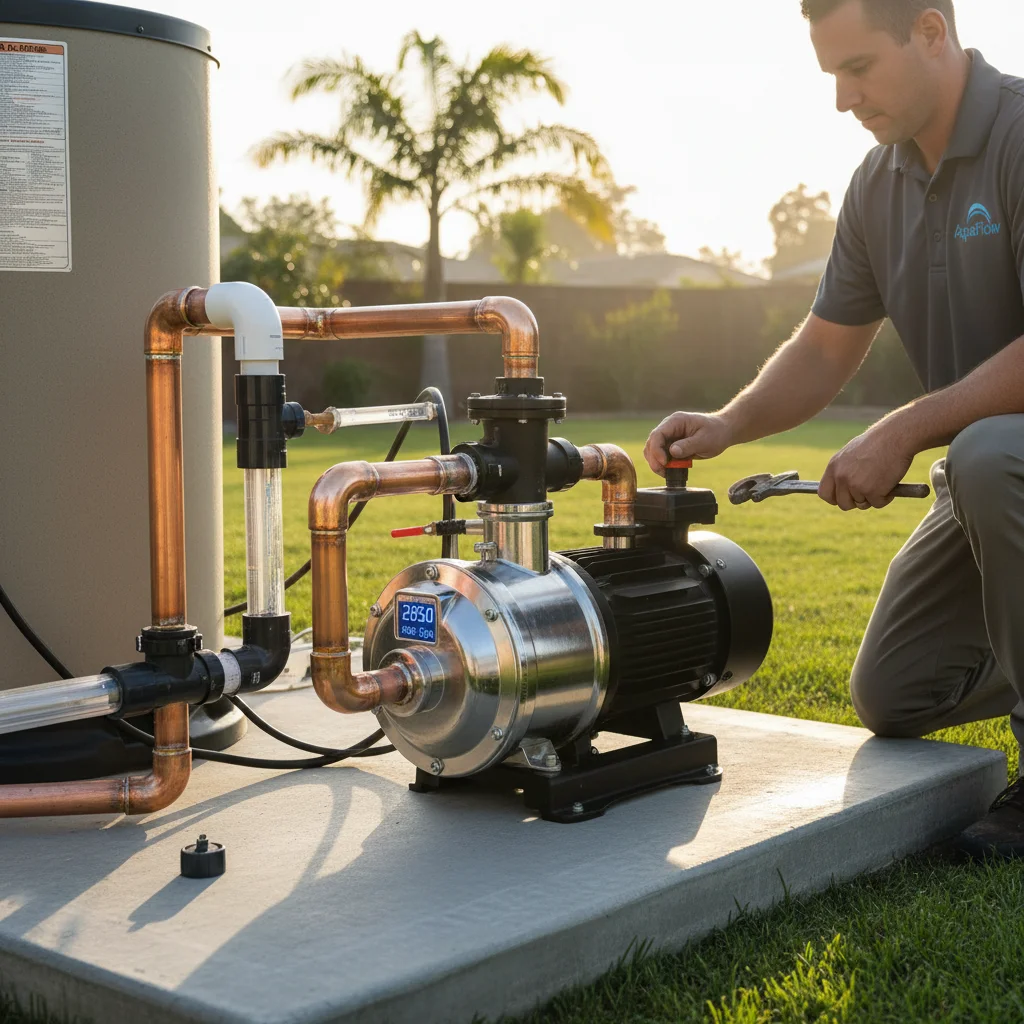
A variable-speed pool pump costs $700 to $1,500 more than a single-speed unit, but it cuts pump energy use by 50 to 80 percent. On SDG&E’s time-of-use rates, that difference typically saves a San Diego homeowner $300 to $700 a year, which means the extra upfront cost usually pays for itself in one to three years. For most pools running a filtration cycle 6 or more hours a day, that math works out in the pump’s favor.
Refresh Pool Pros connects San Diego homeowners with vetted pool equipment specialists who install and program variable-speed pumps correctly, not just bolt one onto the old plumbing. This guide breaks down the real numbers behind the decision, including a detail most homeowners don’t realize: California barely leaves you a choice anymore.
Why does California basically require variable-speed pumps now?
California’s Title 20 energy code has required variable-speed motors on most new and replacement pool pumps over 1 horsepower since a rule change in 2008, tightened further in 2018. Since then, manufacturers have been barred from shipping a non-compliant single-speed pump to a California address for that use case. So the real question a San Diego homeowner faces when a pump fails isn’t single-speed versus variable-speed anymore. It’s which variable-speed pump makes sense for the pool. That shift is part of why variable-speed pumps have gone from a premium upgrade to the standard replacement option across the county.
How much energy does a variable-speed pump actually save?
A variable-speed motor uses a permanent-magnet design that can throttle down to a fraction of full power for routine filtration, then ramp up briefly for vacuuming or a spa jet. That flexibility is where the savings come from. Compared to a single-speed pump running at full power for every hour of its cycle, a variable-speed pump can cut electricity use for pool circulation by 50 to 80 percent. The exact figure depends on how long the old pump ran and at what speed, but even a modest cycle change produces a noticeable drop on the power bill within the first billing period.
What does that actually save on an SDG&E bill?
San Diego runs on some of the highest residential electricity rates in the country, and SDG&E’s time-of-use pricing makes the timing of pump operation matter as much as the pump itself. Most homeowners see $300 to $700 a year in savings after switching to a variable-speed pump, with the pump programmed to run its longer, low-speed filtration cycle during off-peak hours instead of the expensive afternoon window. A pool that was running an old single-speed pump for 8 to 10 hours a day during peak rate periods sees the biggest jump in savings once that schedule shifts to overnight or early-morning low-speed circulation.
How fast does a variable-speed pump pay for itself?
Most San Diego installations pay back the price difference in one to three years. A large pool, an older single-speed pump that was already inefficient, or a household running long filtration cycles through peak SDG&E hours can see payback in under a year. A smaller pool with a newer single-speed pump and a light run schedule sits closer to the three-year mark. Either way, a pump typically lasts 8 to 12 years, so even the slower payback case leaves years of pure savings after the upgrade pays for itself.
Are there rebates that make the upfront cost lower?
SDG&E and other California utilities have periodically offered rebates for high-efficiency pool pumps, though these programs open and close depending on funding and aren’t guaranteed to be active at any given time. It’s worth checking SDG&E’s current rebate page before buying, since a live rebate can knock a real chunk off the installed cost and shorten an already reasonable payback window even further. A pool equipment specialist who installs pumps regularly usually knows what’s currently available and can point you toward it.
Does a variable-speed pump clean the pool as well?
Better, in most cases. Running longer at a lower flow rate circulates and filters the full volume of water more thoroughly than a single-speed pump’s short bursts at full power. That steadier flow improves water clarity, spreads sanitizer more evenly, and puts less strain on the filter, which can extend the time between filter cleanings. The lower flow rate also reduces the fine debris that gets kicked back into suspension during high-speed operation, which is part of why pools on variable-speed pumps often look clearer between service visits.
Is it worth replacing a working single-speed pump early?
If the pump is still running fine and under five years old, most specialists would tell you to wait until it fails rather than replace it early just for the energy savings. But if a single-speed pump is already showing its age, humming, or costing more to run every summer, pairing that replacement with the Title 20 requirement means the upgrade to variable-speed was coming anyway. For a full breakdown of what a new pump costs installed in San Diego, see our guide on pool pump replacement cost.
Refresh Pool Pros connects San Diego homeowners with vetted pool equipment technicians who install variable-speed pumps and program them for real savings, not just a default setting left at full speed. If your current pump is failing rather than just aging, our guide on repair versus replacement walks through when fixing the old pump still makes sense. Homeowners across San Diego can get matched with a specialist who knows current SDG&E rate structures and any active rebate programs before quoting the job.
Frequently asked questions
Is a variable-speed pool pump actually worth the extra money in San Diego?
For most homeowners running a pump 6 or more hours a day, yes. A variable-speed pump costs $700 to $1,500 more than a single-speed unit but cuts pump energy use 50 to 80 percent. On SDG&E’s time-of-use rates, that typically saves $300 to $700 a year, so the upfront gap pays for itself in one to three years, sometimes faster on a large or older pool.
Can I even still buy a single-speed pool pump in California?
Not really. California’s Title 20 energy code has required variable-speed motors on most new and replacement pool pumps over 1 horsepower since 2018, and manufacturers can’t legally ship a non-compliant single-speed pump to a California address. So the choice most San Diego homeowners face isn’t single-speed versus variable-speed, it’s which variable-speed pump to buy.
How much does a variable-speed pool pump cost installed in San Diego?
A variable-speed pump typically runs $700 to $1,500 for the unit, with total installed cost landing between $1,200 and $2,200 once labor and any plumbing or electrical adjustments are included. Price moves with horsepower, brand, and how much rework the existing equipment pad needs to accept the new pump.
How long does it take a variable-speed pump to pay for itself?
Most San Diego homeowners see payback in one to three years, with some larger or older pools breaking even in under a year. The exact timeline depends on how many hours a day the pump runs, your SDG&E rate plan, and how inefficient the pump you’re replacing was. A pool running long filtration cycles on an older single-speed motor sees the fastest payback.
Are there rebates for installing a variable-speed pool pump in San Diego?
Sometimes. SDG&E and other California utilities have offered rebates for high-efficiency pool pumps in the past, though programs change year to year and aren’t always active. It’s worth checking SDG&E’s current rebate offerings before you buy, since a rebate can shave a meaningful chunk off the upfront cost and shorten payback further.
Do variable-speed pumps actually clean the pool as well as single-speed pumps?
Yes, and often better. Running a variable-speed pump longer at a lower speed circulates and filters water more thoroughly than a single-speed pump’s shorter high-speed cycles, which improves clarity and chemical distribution. The lower flow rate also puts less wear on filters and reduces the fine debris that gets kicked back into the water.
Not sure if a variable-speed pump makes sense for your pool? Call Refresh Pool Pros at (858) 400-4598 for a straight answer and an installed quote from a vetted San Diego pool equipment specialist.
Frequently asked questions
Is a variable-speed pool pump actually worth the extra money in San Diego?
For most homeowners running a pump 6 or more hours a day, yes. A variable-speed pump costs $700 to $1,500 more than a single-speed unit but cuts pump energy use 50 to 80 percent. On SDG&E's time-of-use rates, that typically saves $300 to $700 a year, so the upfront gap pays for itself in one to three years, sometimes faster on a large or older pool.
Can I even still buy a single-speed pool pump in California?
Not really. California's Title 20 energy code has required variable-speed motors on most new and replacement pool pumps over 1 horsepower since 2018, and manufacturers can't legally ship a non-compliant single-speed pump to a California address. So the choice most San Diego homeowners face isn't single-speed versus variable-speed, it's which variable-speed pump to buy.
How much does a variable-speed pool pump cost installed in San Diego?
A variable-speed pump typically runs $700 to $1,500 for the unit, with total installed cost landing between $1,200 and $2,200 once labor and any plumbing or electrical adjustments are included. Price moves with horsepower, brand, and how much rework the existing equipment pad needs to accept the new pump.
How long does it take a variable-speed pump to pay for itself?
Most San Diego homeowners see payback in one to three years, with some larger or older pools breaking even in under a year. The exact timeline depends on how many hours a day the pump runs, your SDG&E rate plan, and how inefficient the pump you're replacing was. A pool running long filtration cycles on an older single-speed motor sees the fastest payback.
Are there rebates for installing a variable-speed pool pump in San Diego?
Sometimes. SDG&E and other California utilities have offered rebates for high-efficiency pool pumps in the past, though programs change year to year and aren't always active. It's worth checking SDG&E's current rebate offerings before you buy, since a rebate can shave a meaningful chunk off the upfront cost and shorten payback further.
Do variable-speed pumps actually clean the pool as well as single-speed pumps?
Yes, and often better. Running a variable-speed pump longer at a lower speed circulates and filters water more thoroughly than a single-speed pump's shorter high-speed cycles, which improves clarity and chemical distribution. The lower flow rate also puts less wear on filters and reduces the fine debris that gets kicked back into the water.
Need professional help in San Diego County?
Refresh Pool Pros provides every service in this post. Call for a free quote.